Introduction
DIY candle making has become a popular creative activity for beginners, hobbyists, and small candle businesses.
However, choosing the right wax can make a big difference in the candle-making experience.
Among different candle materials, sand wax and beeswax are two interesting options with completely different characteristics.
Sand wax is a modern creative candle material that looks like colorful sand, while beeswax is a traditional natural wax with a long history.
So which one is easier for DIY candle making?
In this article, we will compare sand wax vs beeswax based on preparation steps, tools required, design flexibility, cost, and beginner friendliness.
What Is Sand Wax?
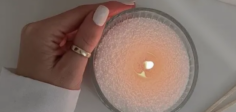
Sand wax is a granular candle wax that looks similar to decorative sand.
Unlike traditional candle wax, sand wax does not require melting, pouring, or complicated candle-making equipment.
The basic DIY process is very simple:
- Choose a container
- Pour sand wax into the container
- Add decorations if needed
- Insert a wick
- Light the candle
Users can easily change colors, layers, and designs whenever they want.
Main Features of Sand Wax:
- No melting required
- Easy color customization
- Beginner-friendly
- Reusable candle concept
- Suitable for creative designs
Sand wax is widely used for:
- DIY candle kits
- Home decoration
- Creative gifts
- Candle workshops
What Is Beeswax?
Beeswax is a natural wax produced by honeybees.
It is one of the oldest candle materials and is known for its natural golden color, pleasant honey aroma, and long burning time.
However, compared with sand wax, beeswax requires more traditional candle-making steps.
A typical beeswax candle process includes:
- Melting the wax
- Controlling temperature
- Preparing molds or containers
- Adding fragrance or color
- Pouring the wax
- Waiting for cooling and curing
Main Features of Beeswax:
- Natural material
- Long burning time
- Premium appearance
- Traditional candle-making experience
Beeswax is commonly used for:
- Handmade candles
- Natural candles
- Premium candle products
Sand Wax vs Beeswax: DIY Difficulty Comparison
1. Preparation Process
Sand Wax
Sand wax is one of the easiest candle materials for beginners.
Advantages:
- No heating equipment needed
- No melting process
- No waiting time
- Easy cleanup
A beginner can create a finished candle within minutes.
Beeswax
Beeswax requires more preparation.
You need:
- Wax melting equipment
- Temperature control tools
- Proper molds
- More production time
Beginners may need several attempts to achieve good results.
Winner: Sand Wax
2. Tools Required
Sand Wax
Basic tools:
- Container
- Wick
- Decorations
No special candle-making equipment is required.
Beeswax
Usually requires:
- Wax melter or double boiler
- Thermometer
- Wick holder
- Mold or candle jar
The investment is higher for beginners.
Winner: Sand Wax
3. Design Flexibility
Sand Wax
Sand wax provides excellent creative freedom.
Users can create:
- Multi-color layers
- Gradient effects
- Seasonal designs
- Personalized candles
Changing the design is easy.
Simply remove the wick and rearrange the wax.
Beeswax
Beeswax allows beautiful candle designs through:
- Molds
- Carving
- Rolling sheets
However, changing the design after production is more difficult.
Winner: Sand Wax for flexibility
4. Natural and Traditional Experience
Beeswax
Beeswax has a unique advantage:
- Natural origin
- Traditional candle-making history
- Authentic handmade feeling
Many people enjoy the process of melting and crafting beeswax candles.
Sand Wax
Sand wax focuses more on:
- Creativity
- Convenience
- Modern DIY experience
Winner: Beeswax for traditional craftsmanship
5. Cost for Beginners
Sand Wax
Advantages:
- Lower equipment investment
- Easy to start small
- Suitable for DIY kits
Beeswax
Disadvantages:
- Higher material cost
- Additional tools required
Beeswax is usually considered a premium candle material.
Winner: Sand Wax for beginners
Sand Wax vs Beeswax Comparison Table
| Feature | Sand Wax | Beeswax |
|---|---|---|
| DIY Difficulty | Very Easy | Medium |
| Melting Required | No | Yes |
| Equipment Needed | Minimal | More tools needed |
| Beginner Friendly | ⭐⭐⭐⭐⭐ | ⭐⭐⭐ |
| Design Flexibility | Very High | Medium |
| Natural Story | Medium | Very High |
| Cost | Affordable | Premium |
| Best For | DIY & creative candles | Natural handmade candles |
Which One Should Beginners Choose?
Choose Sand Wax If You Want:
- Quick candle making
- Simple DIY projects
- Colorful creative designs
- No complicated steps
- Candle-making activities with children or beginners
Sand wax is ideal for people who want immediate results.
Choose Beeswax If You Want:
- Traditional candle-making skills
- Natural materials
- Handmade premium candles
- A deeper crafting experience
Beeswax is better for people who enjoy the full candle-making process.
Business Opportunity: Sand Wax DIY Kits
The popularity of DIY products has created new opportunities for candle businesses.
Sand wax is especially suitable for:
- Online DIY kits
- Gift sets
- Craft workshops
- Personalized candle experiences
Because customers can participate in the creation process, sand wax products often have higher interaction value.
Conclusion
Both sand wax and beeswax are excellent candle materials, but they provide different DIY experiences.
Sand wax is easier for beginners because it requires no melting, no complicated tools, and allows instant creative designs.
Beeswax is better for traditional candle makers who enjoy natural materials and handmade craftsmanship.
For beginners, DIY workshops, and creative candle businesses, sand wax is one of the easiest materials to start with.
 English