When choosing candle materials, wax type plays an important role in the final product quality, appearance, burning performance, and market positioning.
Sand wax and paraffin wax are two very different candle materials.
Paraffin wax has been widely used in the candle industry for decades because of its affordability and excellent molding performance. Sand wax, on the other hand, is a newer candle trend known for its creativity, convenience, and reusable concept.
In this article, we will compare sand wax vs paraffin wax, including their advantages, disadvantages, uses, and which option is better for different candle businesses.
What Is Sand Wax?
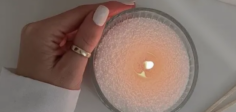
Sand wax is a granular candle wax that looks similar to colored sand.
Unlike traditional candle wax, sand wax does not require melting before use.
The basic process is:
- Pour sand wax into a container
- Insert a suitable wick
- Light the candle
Its biggest feature is flexibility. Users can easily change colors, create layers, and redesign candle styles whenever they want.
Sand wax is especially popular for:
- DIY candle kits
- Decorative candles
- Gift products
- Creative home décor
What Is Paraffin Wax?
Paraffin wax is a petroleum-based wax that has been used in candle manufacturing for many years.
It is one of the most common candle waxes because it is:
- Affordable
- Easy to melt
- Easy to shape
- Suitable for large-scale production
Paraffin wax is commonly used for:
- Pillar candles
- Mold candles
- Tealight candles
- Commercial candles
Sand Wax vs Paraffin Wax: Key Differences
1. Production Process
Sand Wax
Advantages:
- No melting equipment required
- Easy for beginners
- Faster candle creation
- Suitable for DIY products
Disadvantages:
- Limited use in traditional candle manufacturing
- Requires suitable containers and wick selection
Paraffin Wax
Advantages:
- Easy industrial production
- Works well with molds
- Suitable for mass manufacturing
Disadvantages:
- Requires melting equipment
- Needs temperature control
- Requires more production steps
2. Appearance and Design
Sand Wax
Sand wax offers high creative flexibility.
Users can create:
- Multi-color layers
- Gradient effects
- Seasonal designs
- Personalized candles
Each candle can look completely different.
Paraffin Wax
Paraffin wax is excellent for shaped candles.
It can create:
- Detailed molded designs
- Smooth surfaces
- Decorative shapes
However, the design is usually fixed after production.
3. Burning Performance
Sand Wax
Features:
- Burns around the wick area
- Allows wax reuse
- Performance depends on wick and container
Sand wax focuses more on creativity and user experience.
Paraffin Wax
Features:
- Stable burning
- Good fragrance release
- Excellent color performance
Paraffin is widely used because it provides consistent candle performance.
4. Reusability
This is one of the biggest differences.
Sand Wax
One of the main advantages:
- Replace the wick
- Remove used wax near the flame
- Continue using remaining wax
This creates a reusable candle experience.
Paraffin Wax
Traditional paraffin candles usually:
- Burn completely
- Cannot be reshaped easily
- Create more leftover waste
5. Cost Comparison
Paraffin Wax
Advantages:
- Lower raw material cost
- Suitable for high-volume production
- Good price competitiveness
Sand Wax
Advantages:
- Higher perceived value
- Suitable for premium DIY products
- Strong gift market potential
Although sand wax may have a higher selling price, it creates more customer interaction and customization value.
Pros and Cons Summary
| Feature | Sand Wax | Paraffin Wax |
|---|---|---|
| Material Type | Granular wax | Traditional solid wax |
| Ease of Use | ⭐⭐⭐⭐⭐ | ⭐⭐⭐ |
| Mass Production | ⭐⭐⭐ | ⭐⭐⭐⭐⭐ |
| Design Flexibility | ⭐⭐⭐⭐⭐ | ⭐⭐⭐ |
| Cost | Medium | Low |
| Reusable | Yes | Usually No |
| Best For | DIY & decorative candles | Commercial candles |
Which Wax Should Candle Businesses Choose?
Choose sand wax if your business focuses on:
- DIY candle products
- Creative candle experiences
- Gift market
- Social media marketing
- Personalized designs
Choose paraffin wax if your business focuses on:
- Large-scale production
- Low-cost candles
- Molded candle products
- Traditional candle sales
Business Opportunity: Combining Both Trends
Modern candle brands do not always need to choose only one material.
Many businesses use different waxes for different product lines:
- Sand wax for DIY kits and premium gifts
- Paraffin wax for affordable candle collections
- Soy wax for natural scented candles
- Gel wax for decorative crystal candles
A diversified product strategy helps brands reach more customers.
Conclusion
Sand wax and paraffin wax both have unique advantages.
Paraffin wax remains a practical choice for traditional candle manufacturing because of its low cost and reliable performance.
Sand wax represents a newer generation of creative candles with stronger customization and reusable features.
The best choice depends on your target customers, product style, and business goals.
Contact Us
Waxraw supplies high-quality sand wax, paraffin wax, soy wax, gel wax, and complete candle-making materials for global buyers.
We support wholesale supply, custom packaging, and candle business solutions.
Website: www.waxraw.com
Email: [email protected]
WhatsApp: +86 17638410293
 English