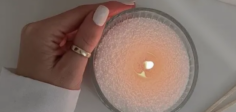
Gel wax is composed of mineral oil and polymer resin, which affects how it absorbs and retains heat. Several factors influence heat retention:
- Wax Density: Higher density gel wax holds heat longer, creating a more stable flame and slower burn.
- Container Material: Glass or metal containers retain heat differently. Thicker glass improves heat retention, while thin containers may cool rapidly.
- Wick Size: The wick regulates flame size, which in turn affects how much heat is generated and retained.
2. Benefits of Proper Heat Retention
- Even Melting: Consistent heat ensures the gel wax melts evenly across the candle surface.
- Enhanced Fragrance Throw: A steady heat allows the fragrance oil to evaporate at the right rate, producing a stronger and longer-lasting scent.
- Reduced Tunneling: Proper heat retention prevents the wax from burning down the center too quickly, reducing the risk of tunneling.
3. Tips for Improving Heat Retention
- Choose the Right Container: Thick-walled glass or silicone molds improve heat distribution.
- Optimize Wick Size: Match wick size to container diameter to maintain a consistent flame.
- Use Additives Wisely: Some additives, like stearic acid, can slightly increase heat retention without compromising transparency.
- Layer Pouring: Pouring gel wax in layers can help regulate internal heat and prevent uneven cooling.
4. Conclusion
Understanding heat retention is key to making high-quality gel wax candles. By choosing appropriate wax density, container material, wick size, and using proper pouring techniques, candle makers can ensure even melting, long-lasting fragrance, and beautiful, clear candles.
At Waxraw, we provide premium gel wax and expert guidance to help candle makers worldwide achieve optimal heat retention and professional results.
📩 Contact us: [email protected]
🌐 Website: www.waxraw.com
📱 WhatsApp: +86 17638410293
 English