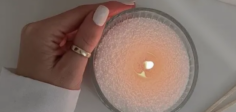
Soy wax is one of the most popular choices for candle making because it is natural, eco-friendly, and burns cleaner than paraffin. But have you ever wondered how soy wax is actually made? Let’s walk through the process.
Step 1: Cleaning the Soybeans
The process starts with raw soybeans. They are washed and dried to remove any dust or impurities.
Step 2: Extracting Soybean Oil
The cleaned soybeans are pressed using a mechanical oil press or expeller to release soybean oil. On an industrial scale, solvents like hexane may also be used to maximize extraction.
Step 3: Refining the Oil
The crude soybean oil is filtered and refined to remove proteins, fibers, and other unwanted residues, leaving clear oil.
Step 4: Hydrogenation
This is the key stage where the oil is transformed into wax. Hydrogen is added under controlled pressure and temperature with a catalyst, changing the unsaturated fatty acids into saturated ones. This makes the oil solid at room temperature—turning it into soy wax.
Step 5: Cooling and Solidifying
The hydrogenated oil is cooled down and solidified into flakes or blocks. These soy wax flakes are what candle makers buy and use to create natural, clean-burning candles.
👉 For most DIY candle makers, making soy wax at home is not practical since hydrogenation requires industrial equipment. The best way is to buy ready-made soy wax flakes and melt them for candle making.
📩 Contact us today to get high-quality soy wax flakes and candle supplies at wholesale prices:
🌐 www.waxraw.com
📧 [email protected]
 English